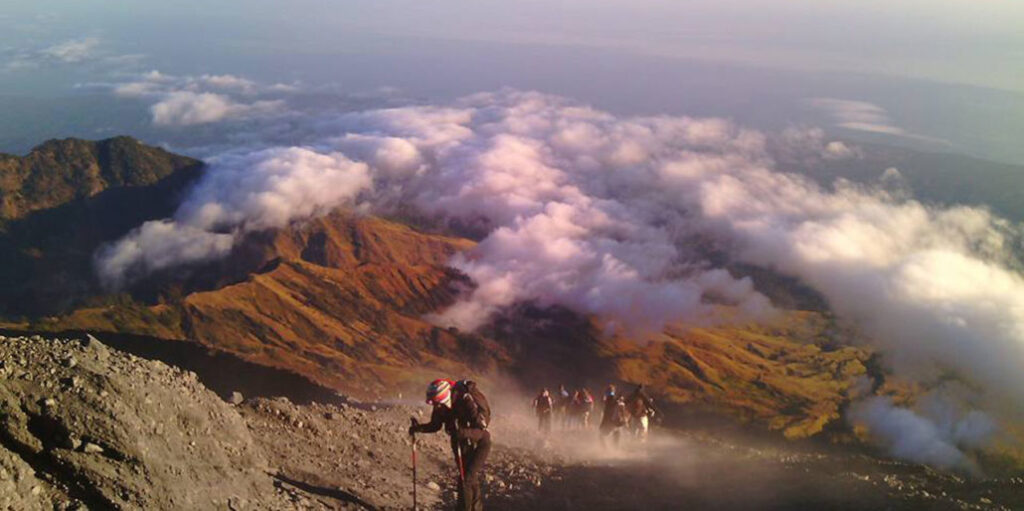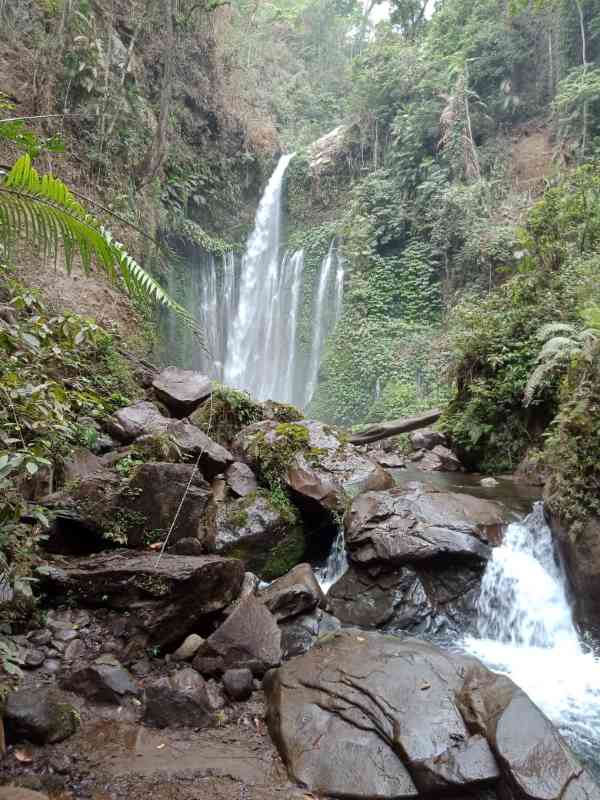
Conquering Mount Rinjani, Indonesia’s second-highest volcano, is a bucket-list adventure for hikers worldwide. Standing at 3,726 meters (12,224 feet) above sea level on the stunning island of Lombok, reaching the Rinjani summit rewards you with breathtaking sunrise views over a massive volcanic caldera and the shimmering Segara Anak lake.
However, Rinjani is notorious for its steep inclines, loose volcanic scree, and unpredictable mountain weather. The final summit push is a grueling test of physical endurance and mental fortitude. To ensure you reach the peak safely—and actually enjoy the experience—you must prepare your body months in advance.
Here is your comprehensive physical training guide to conquering the Rinjani summit.
1. Build Your Cardiovascular Endurance
The trek up Rinjani involves hours of continuous uphill hiking, often while carrying a backpack. A strong cardiovascular system is your foundation for oxygen efficiency at high altitudes.
- Aerobic Training: Dedicate 3 to 4 days a week to sustained cardio. Running, cycling, rowing, and swimming are excellent for building stamina. Aim for 45–60 minutes per session at a moderate intensity.
- Stair Climbing: This is the most specific gym training you can do. Spend time on the StairMaster or find a local stadium or high-rise building. Step training mimics the continuous stepping movement required on the mountain.
- Incline Treadmill Walking: If you train indoors, crank the treadmill incline up to 10–12% and walk at a steady, brisk pace.
2. Develop Leg Strength and Core Stability
The Rinjani trail will challenge your lower body unlike any standard gym workout. Your quads will burn on the way up, and your knees will take a beating on the steep descents.
Incorporate these key strength exercises into your routine 2 to 3 times a week:
- Weighted Squats & Lunges: These build explosive power and endurance in your quadriceps and glutes. Transition into walking lunges to train your balance.
- Step-ups: Hold dumbbells and step onto a 12-to-18-inch box. This directly builds the muscles needed to step over large rocks and tree roots.
- Calf Raises: Strong calves are essential for the final summit push, where you will constantly push off loose gravel and sand.
- Planks and Russian Twists: A strong core stabilizes your spine when carrying a heavy backpack, reducing lower back fatigue.
3. Master the Mind Game: Volcanic Scree Training
The infamous “summit push” from the crater rim to the peak starts at 2:00 AM in freezing temperatures. The terrain is made of loose volcanic sand and gravel (scree). For every two steps forward, you will likely slide one step back.
- Beach or Sand Running: If you live near a coast, train by running or hiking on loose beach sand. This perfectly replicates the unstable footing of Rinjani’s upper slopes and builds stabilizing muscles in your ankles and feet.
- Mental Toughness: Prepare yourself for the mental frustration of the scree slope. It requires a slow, rhythmic, and patient pace.
4. Get Used to Your Gear (Weighted Hikes)
Never show up to Sembalun or Senaru (the main Rinjani trailheads) with brand-new gear.
- Break in Your Boots: Wear your hiking boots everywhere. Blisters on Day 1 can completely ruin your chance of making the summit.
- Practice with a Pack: Start doing weekend hikes at least 6 to 8 weeks before your trip. Load your backpack with 5 to 8 kg of weight to simulate your daily gear, water, and snacks.
- Use Trekking Poles: Trekking poles are absolutely non-negotiable for Rinjani. They save your knees during the brutal descent and provide vital stability on the slippery summit ridge.
The Ultimate 8-Week Rinjani Training Timeline
1.Weeks 1-2: Building the Base:Prep Phase.
Start with 30-minute cardio sessions 3 times a week. Begin bodyweight squats, lunges, and core work. Walk for 1 hour on weekends to get used to your hiking boots.
2.Weeks 3-4: Increasing Intensity:Strength Phase.
Increase cardio to 45 minutes. Add weights to your squats and lunges. Start training on stairs or steep inclines. Complete a 3-hour weekend hike with a light (3 kg) pack.
3.Weeks 5-6: Specific Simulation:Peak Endurance.
Incorporate sand training or high-incline treadmill work. Increase weekend hikes to 4-5 hours, carrying a fully weighted backpack (5-7 kg). Practice using your trekking poles.
4.Weeks 7-8: Taper and Rest:Recovery Phase.
Reduce the weight and intensity of your workouts by 50% during the final week to let your muscles recover. Focus on stretching, mobility, deep hydration, and getting plenty of sleep before your trek begins.
Final Tips for a Successful Summit
- Hydrate Early: Dehydration accelerates altitude sickness. Drink plenty of water in the days leading up to the climb.
- Acclimatize: Rinjani’s high altitude means thinner air. Take a slow, steady pace (“jalan-jalan santai”) and follow your mountain guide’s rhythm.
- Pack Warm Layers: While Lombok is tropical, the Rinjani summit can drop to 0°C (32°F) before sunrise. Pack a windbreaker, thermal layers, gloves, and a beanie.
By committing to a solid physical preparation plan, you’ll transform a grueling physical struggle into an unforgettable, triumphant adventure at the roof of Lombok.