Climbing Mount Rinjani’s 3,726-meter peak is a physically demanding journey that tests endurance, mental stamina, and agility on steep volcanic scree. As high-altitude trekking in Lombok grows in popularity, hikers face an important choice when booking their expedition: Should you join a large, budget group tour, or opt for a small group or private trek?
While large group treks may appear cost-effective initially, scaling an active volcano in a crowd introduces major safety risks, logistical delays, and compromised individual care.
In high-altitude environments, group dynamics directly impact personal safety. Here is an in-depth look at why small group sizes matter for Rinjani summit safety, and how tailored guide support increases your chances of standing on the peak.
1. Optimal Guide-to-Trekker Ratios During Midnight Summit Pushes
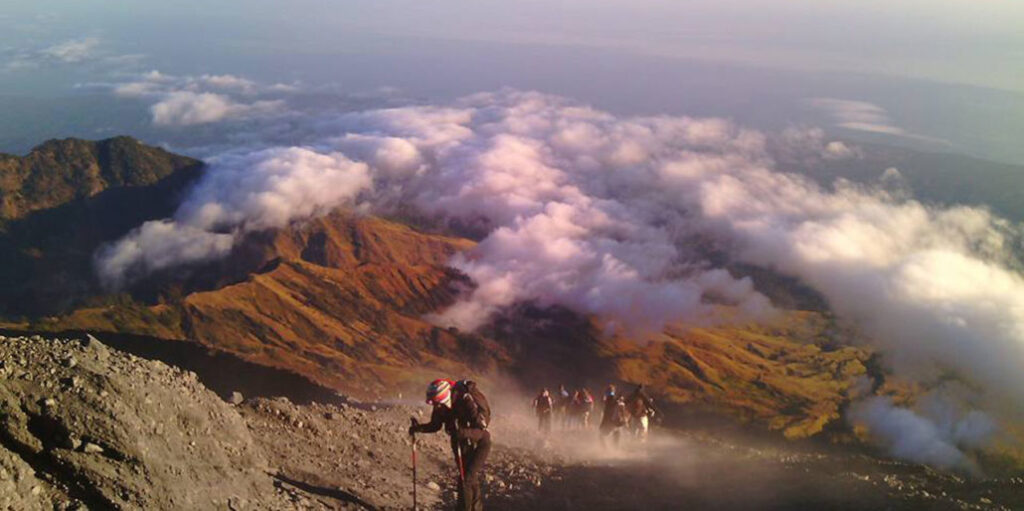
The final summit push from Sembalun Crater Rim (Plawangan Sembalun) begins at 2:00 AM in freezing temperatures, darkness, and high wind exposure. The terrain consists of narrow ridges and loose volcanic ash where balance is difficult to maintain.
- In Large Groups (10–20+ Trekkers): Two or three guides are spread thin across a long line of hikers. If people move at different speeds, the group stretches over hundreds of meters in the dark. Hikers in the middle or rear are often left unmonitored for long periods.
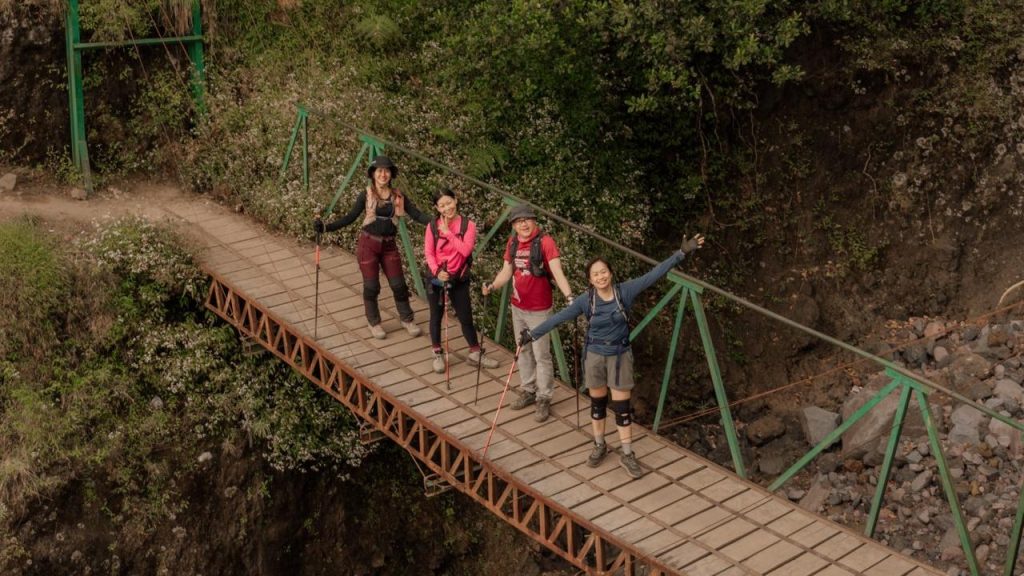
- In Small Groups (2–6 Trekkers): A dedicated guide stays in close physical proximity to every trekker. They can directly watch your footing, monitor signs of sudden exhaustion, ensure headlamps are functioning, and assist immediately if you slip on the scree.
2. Personalized Pacing & Preventing Altitude Sickness (AMS)
At 3,726 meters, the air contains significantly less oxygen. Forced or mismatched pacing is one of the leading triggers of early exhaustion, dehydration, and Acute Mountain Sickness (AMS).
The Danger of Forced Speeds
In big tour groups, slower hikers often feel intense pressure to keep up with faster members to avoid falling behind in the dark. This leads to rapid overexertion, heavy mouth-breathing of freezing air, and sudden fatigue long before the summit.
Conversely, faster hikers forced to wait continuously in freezing ridge winds risk hypothermia.
The Small Group Advantage
Small groups or private treks allow your guide to establish a personalized, rhythmic pace (slow and steady) customized precisely to your fitness level. Your guide can order rest breaks, hydration stops, or extra clothing layers the moment you need them—not when 15 other strangers do.
3. Swift Medical Assessment and Emergency Evacuation
When altitude sickness, severe nausea, ankle sprains, or extreme cold strike at 3,000+ meters, immediate action is required.
- Immediate Decision-Making: In a small group, if a trekker experiences moderate-to-severe AMS and needs to descend immediately, a dedicated guide or assistant guide can escort that individual down safely without disrupting or canceling the entire group’s climb.
- Logistical Agility: If an emergency evacuation is necessary, small groups can activate support porters, stretcher teams, and transport much faster than massive groups attempting to coordinate multiple conflicting needs.
4. Environmental Responsibility and LNT (Leave No Trace)
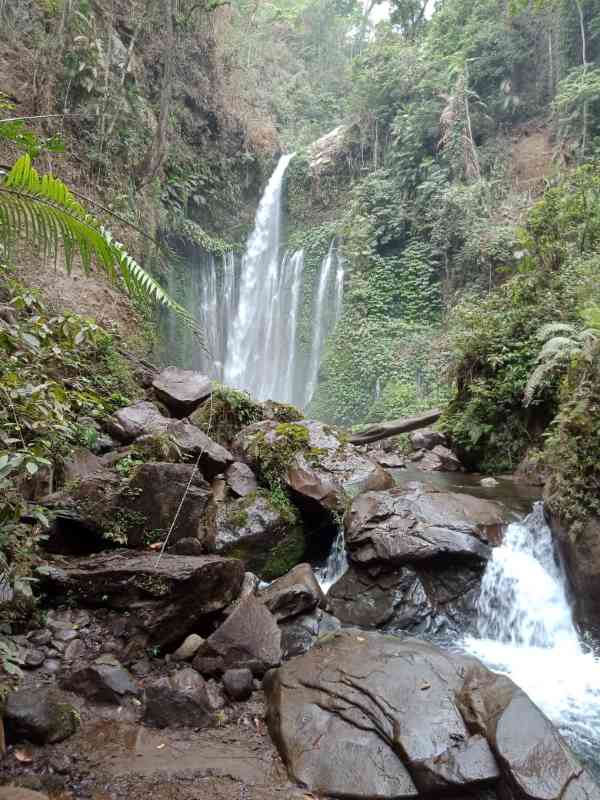
Safety on Mount Rinjani extends to preserving the natural trail environment. Massive trekking herds cause severe trail congestion on narrow ridge passes—such as the single-file cliff trails along Torean or the final summit spine—increasing the risk of rockfalls and edge slips.
Small groups leave a significantly lower environmental footprint:
- Less Trail Crowding: Smaller teams move fluidly without causing bottlenecks or pushing others off narrow trails.
- Strict Waste Management: Guides can easily enforce Leave No Trace principles, ensuring all plastics, food waste, and camping trash are packed out completely.
Small Group vs. Large Group Comparison
| Safety & Experience Factor | Large Group Treks (10–20+ People) | Small Group / Private Treks (2–6 People) |
| Guide Attention | Distributed thin across a long trail line | Direct, continuous 1-on-1 or 1-on-2 support |
| Summit Pace | Rigid or forced to match group average | Customized to your individual endurance |
| AMS & Injury Response | Delayed due to complex group coordination | Immediate assistance or individual descent |
| Night Navigation | Higher risk of individuals straying in darkness | Tight group cohesion with close lighting |
| Camp Comfort | Noisy, crowded campsites with shared facilities | Quiet, organized camps with high guide care |
Experience Safety-First Trekking on Mount Rinjani
Reaching the summit of Mount Rinjani is a monumental achievement, but coming back down safely with a positive, life-changing experience is what truly matters. Choosing small group sizes or private guided climbs ensures your health, pacing, and security remain the absolute highest priority at every altitude.
If you are planning your 2026 climb and want a safety-focused experience supported by certified local guides, dedicated porters, and small-group setups, explore the tailored packages at alsrinjani.com:
- 2D1N Private Summit Trek: A direct, small-group summit push from Sembalun with personalized guide pacing.
- 3D2N Full Circuit Small Group Trek: Cover the Summit, Lake Segara Anak, and Torean/Senaru valleys with focused individual support.
- Custom Private Rinjani Expeditions: Tailored itineraries designed specifically around your group’s exact fitness level, schedule, and preferences.
Visit alsrinjani.com to check availability, review safety standards, and reserve your small-group Rinjani adventure today.