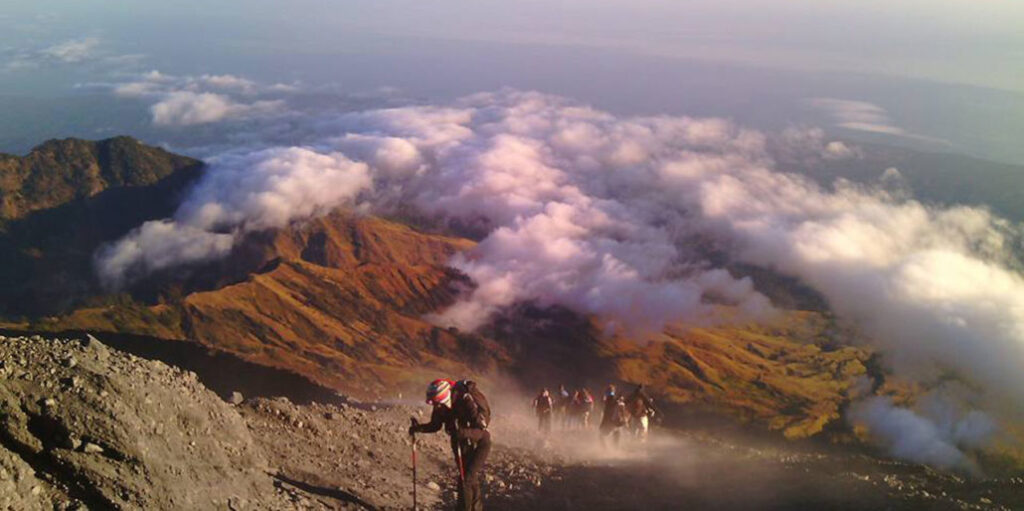
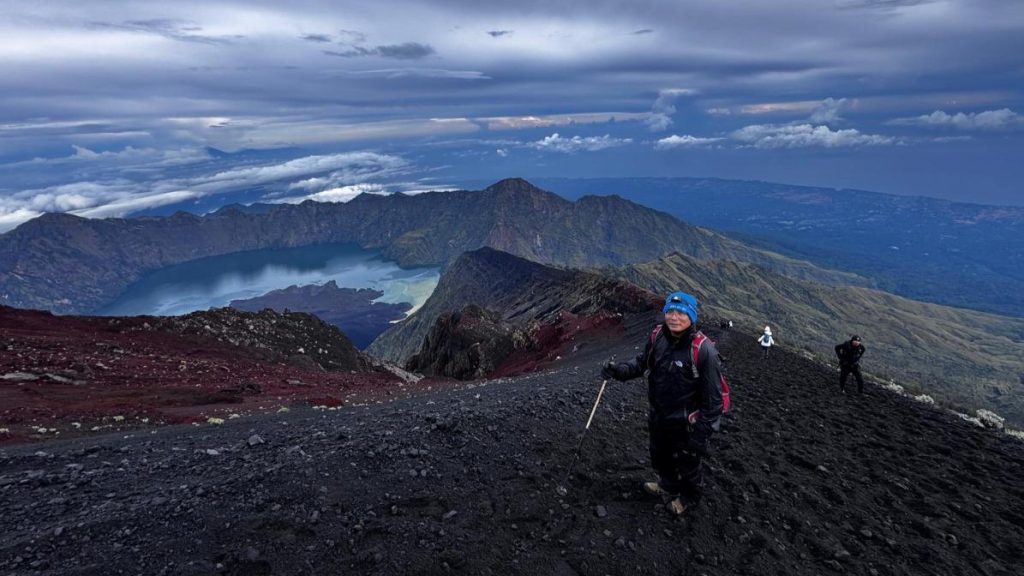
Towering at an impressive 3,726 meters above sea level, Mount Rinjani in Lombok, Indonesia, is the second-highest volcano in the country. For adventure seekers, trekking this active volcano is a bucket-list experience. From the breathtaking crater rim views to the turquoise waters of Lake Segara Anak, Rinjani offers a challenging yet deeply rewarding journey.
If you are planning to conquer this majestic peak this year, this Ultimate Guide to Climb Mount Rinjani in 2026 will provide you with everything you need to know, including booking regulations, top routes, packing lists, and how to choose the right tour operator.
Why Climb Mount Rinjani in 2026?
Mount Rinjani National Park continuously evolves its sustainability and safety protocols. In 2026, the park authority (TNGR) has implemented stricter eco-tourism rules, digital ticketing systems, and quota limits to preserve the mountain’s pristine nature. Booking your trek in advance is more critical than ever.
Choosing the Best Rinjani Trekking Routes
There are four official routes to climb Mount Rinjani, but the two most popular and scenic starting points are Sembalun and Senaru.
1. The Sembalun Route (East Lombok)
- Best for: Reaching the summit.
- Characteristics: Starts in open, rolling savannahs with intense sun exposure, leading to a steep climb to the Sembalun Crater Rim (Plawangan Sembalun).
- Vibe: The most popular route for the 2D1N Summit or 3D2N packages.
2. The Senaru Route (North Lombok)
- Best for: Lush rainforest scenery and lake access.
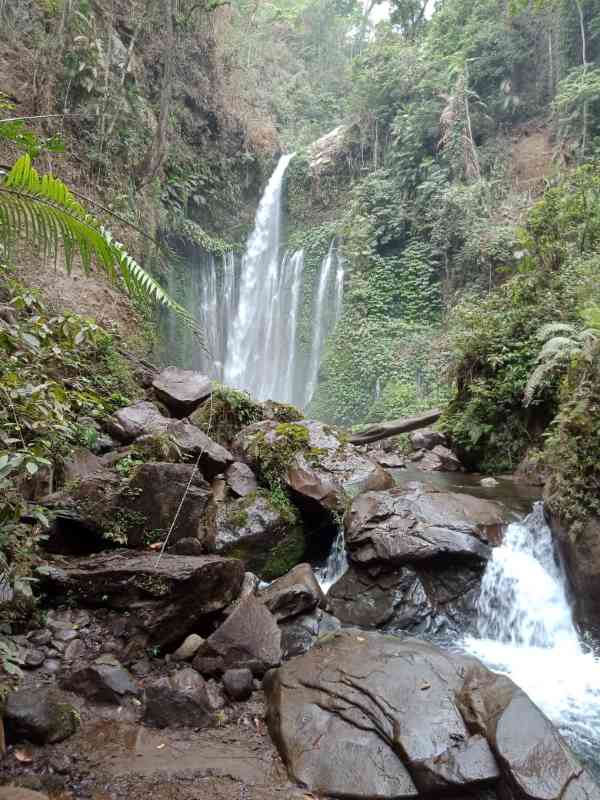
- Characteristics: A steep climb through a dense tropical jungle protects you from the sun but requires stamina against tree roots and humid terrain.
- Vibe: Usually used as the descent route for a complete circuit or the start for a scenic crater rim view.
Recommended Itineraries & Tour Packages
Climbing Rinjani independently is highly discouraged (and often restricted) due to safety and environmental regulations. Working with a licensed trekking agency ensures you have experienced guides, porters to carry heavy gear, and proper camping equipment.
For a seamless and professional trekking experience, you can explore the premium tailored options from alsrinjani.com. Here are the most popular packages they offer:
2 Days 1 Night (2D1N) Rinjani Summit Trek
Perfect for fit hikers who are short on time. You start from Sembalun, camp at the crater rim, push for the summit at 2:00 AM the next morning, and descend back to Sembalun.
3 Days 2 Nights (3D2N) Deluxe Rinjani Trek
The ultimate Rinjani experience. This route takes you to the Sembalun Crater Rim, pushes to the Summit, descends into Lake Segara Anak to enjoy the natural hot springs, and finishes by trekking up and down through the beautiful Senaru forest.
4 Days 3 Nights (4D3N) Leisure Trek
Ideal for photography enthusiasts or families who want to experience the mountain at a relaxed pace without rushing through the steep terrains.
The Best Time to Climb Mount Rinjani
Mount Rinjani National Park follows a strict seasonal opening schedule:
- April to December (Dry Season): The best time to climb. Skies are generally clear, and trekking trails are dry and safe. July to August is peak tourist season.
- January to March (Monsoon Season): The park is CLOSED. Heavy rainfall makes the trails highly hazardous, and the park uses this time for nature recovery.
Complete Packing List for Rinjani 2026
While porters from alsrinjani.com will carry the tents, sleeping bags, mattresses, and cooking gear, you need to carry a daypack with your personal essentials:
Clothing & Layers
- Base layer: Moisture-wicking t-shirts.
- Warm layer: A fleece jacket or down jacket (temperatures at the summit can drop to 5°C / 41°F).
- Outer layer: A windproof and waterproof jacket.
- Pants: Trekking pants (convertible pants are excellent) and thermal pants for sleeping.
Footwear & Gear
- Trekking Shoes: Sturdy hiking boots with excellent grip (crucial for the loose volcanic scree near the summit).
- Headlamp: Absolutely mandatory for the 2:00 AM summit push.
- Trekking Poles: Highly recommended to save your knees during the steep descent.
Personal Items
- Sunscreen, sunglasses, and a sun hat.
- High-energy snacks (chocolate, nuts, energy gels).
- Personal medication and wet wipes.
- A camera or smartphone to capture the unforgettable sunrise.
Essential Training Tips for the Climb
Do not underestimate Mount Rinjani. The summit push consists of loose volcanic ash and gravel where “for every two steps forward, you slide one step back.”
- Cardio Training: Focus on running, cycling, or swimming at least 4–6 weeks before your trip.
- Leg Strength: Incorporate squats, lunges, and calf raises into your workouts.
- Stair Climbing: Spend time on a StairMaster or find local hills/stairs to train your muscles for continuous steep inclines.
Book Your 2026 Rinjani Adventure
Ready to take on the challenge and stand above the clouds in Lombok? Don’t leave your booking to the last minute, as daily trekking quotas vanish quickly during the dry season.
Visit alsrinjani.com today to check availability, browse comprehensive package inclusions, and secure your certified guide for an unforgettable trek up Mount Rinjani in 2026.