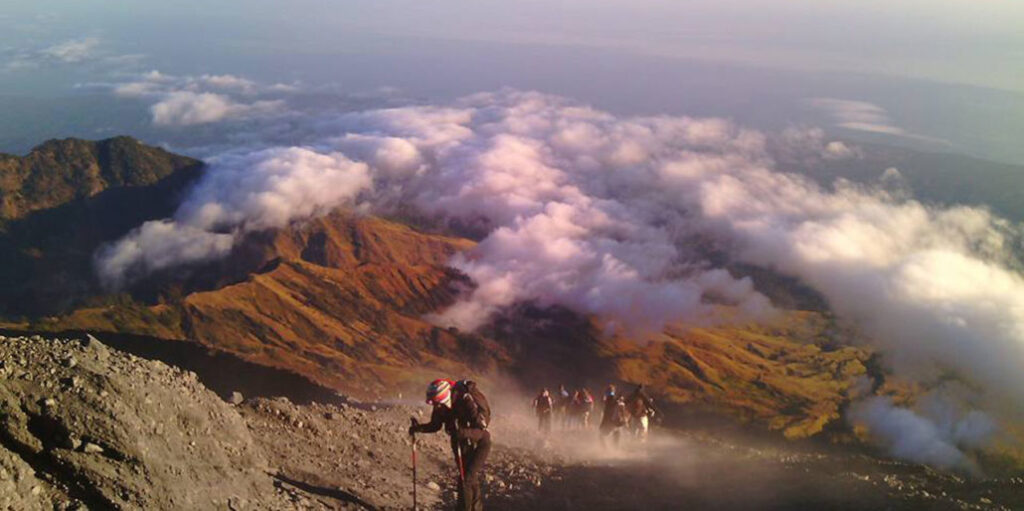
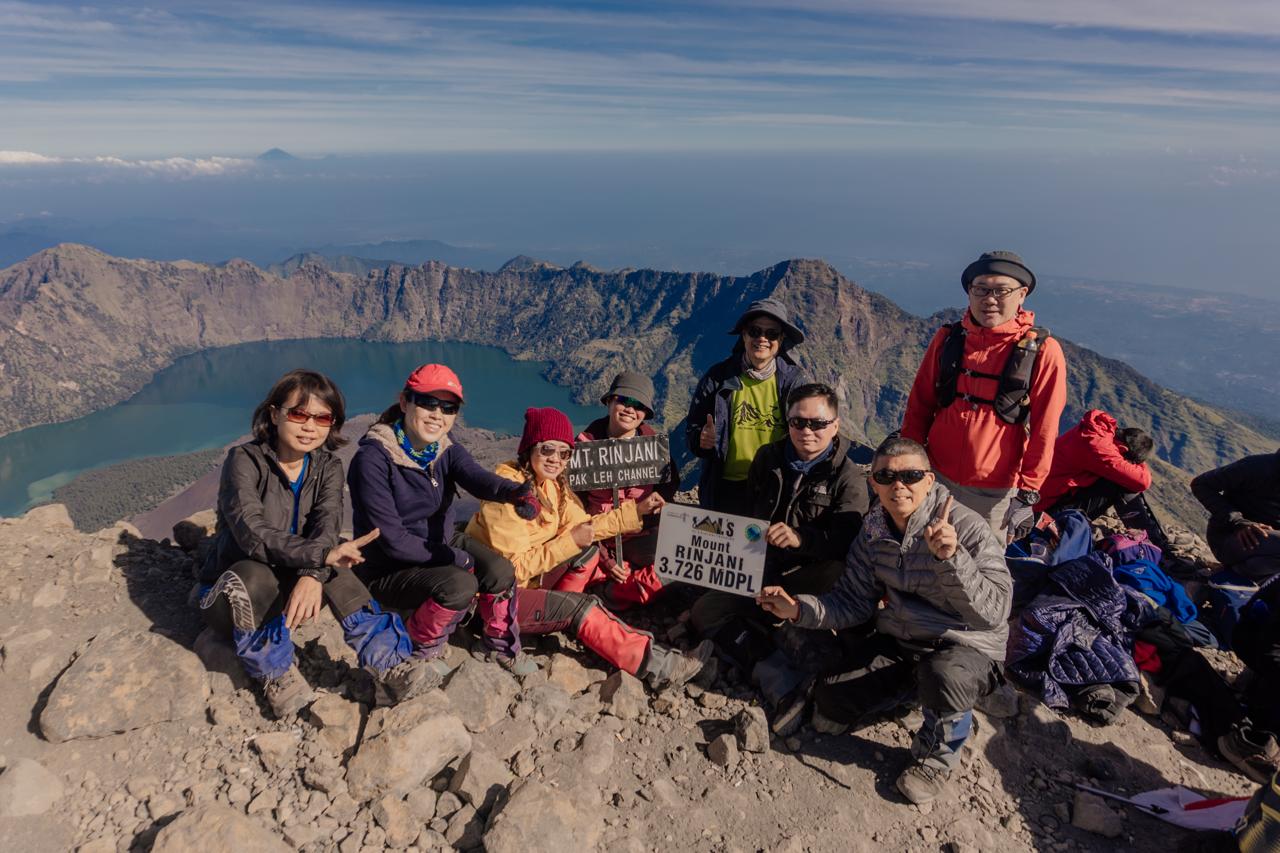
Standing at 3,726 meters above sea level, Mount Rinjani is one of Southeast Asia’s most spectacular active volcanoes. While conquering its summit is a dream for hikers worldwide, trekking at high altitudes on volcanic terrain comes with real natural challenges—including sudden weather shifts, steep scree slopes, low oxygen levels, and cold temperatures.
Safety should never be an afterthought when tackling a mountain of this scale. Whether you are a seasoned mountaineer or a first-time high-altitude trekker, understanding the essential safety measures ensures a secure and memorable experience.
In this comprehensive Rinjani Safety Protocol guide, we outline the strict safety standards, emergency preparedness, and expert practices implemented to keep climbers safe at 3,726 meters.
1. Professional & Certified Local Mountain Guides
The single most critical factor for a safe climb is the team leading you. Operating in high-altitude environments requires deep local knowledge, terrain familiarity, and quick decision-making.
- Certified Escort Ratios: Professional trekking operators enforce strict guide-to-trekker ratios to ensure every individual receives personal attention, especially during night climbs and steep ridge sections.
- First Aid & Wildland Training: Certified guides undergo training in wilderness first aid, recognizing symptoms of Acute Mountain Sickness (AMS), managing hypothermia, and handling trail injuries.
- Pacing & Health Monitoring: Guides constantly monitor your heart rate recovery, hydration levels, and breathing patterns—adjusting the group pace to prevent exhaustion before the summit push.
2. Comprehensive Health & Altitude Precautions
Trekking above 2,500 meters introduces thin air and cold temperatures. Managing altitude acclimation and physical health is paramount.
Acute Mountain Sickness (AMS) Monitoring
At 3,726 meters, atmospheric pressure drops, leading to less available oxygen. Guides monitor trekkers for early AMS symptoms:
- Persistent headache
- Dizziness or lightheadedness
- Nausea or loss of appetite
- Uncharacteristic fatigue
If moderate to severe AMS symptoms appear, the absolute golden rule of mountain safety is applied immediately: Do not ascend further, and descend to a lower altitude safely.
High-Grade Equipment Standards
Safety depends heavily on the gear keeping you warm and sheltered at night:
- Double-Layer Waterproof Tents: High-altitude mountain tents capable of withstanding heavy winds and sudden mountain rain.
- Thick Sleeping Pads & Rated Sleeping Bags: Rated for low temperatures to prevent hypothermia during freezing nights at the crater rim (Plawangan).
- Lighting & Navigation: Mandatory headlamps and backup lighting systems for midnight summit pushes.
3. Real-Time Weather Monitoring & Park Safety Regulations
Mount Rinjani National Park (TNGR) maintains strict operational guidelines to protect visitors from unpredictable volcanic and meteorological activity.
- Seasonal Closures: The national park enforces an annual closure during the monsoon season (typically January to March) due to dangerous landslips, river swells, and heavy rainfall.
- Trail Safety Checks: Rangers monitor trail integrity along narrow passes—such as the cliff paths of Torean or steep sections near Senaru—to alert operators of potential hazards.
- Volcanic Activity Tracking: TNGR closely coordinates with the Centre for Volcanology and Geological Hazard Mitigation (PVMBG) to continuously track seismic activity around Gunung Barujari (the active inner cone).
4. Emergency Evacuation Protocols
In the rare event of a severe injury, sudden illness, or extreme fatigue where a trekker cannot walk, established emergency evacuation pathways are activated immediately:
- Local Porter Support & Stretchers: Specially trained evacuation porters use reinforced mountain stretchers to transport injured trekkers down steep terrain safely and rapidly.
- First-Response Stations: Key checkpoints along both the Sembalun and Senaru routes serve as initial triage and communication hubs.
- Medical Transport Readiness: Vehicles are kept on standby at the trailheads (Sembalun/Senaru) to transfer patients directly to medical clinics or major hospitals in Mataram and North Lombok.
5. Trekker Self-Care Checklist for 3,726m
While your guide team provides the safety infrastructure, individual preparation plays a major role in your well-being:
- Hydrate Constantly: Drink at least 3–4 liters of water daily; dehydration accelerates altitude fatigue.
- Dress in Layers: Use a three-layer clothing system (moisture-wicking base, insulating fleece/down, windproof outer shell) to manage body heat and avoid hypothermia.
- Protect Your Knees: Always use high-quality trekking poles during steep downhills to reduce joint impact and prevent falls on loose rock.
- Be Honest About Your Health: Communicate any pre-existing medical conditions, medication requirements, or physical discomfort to your guide early.
Hike Safely with Certified Rinjani Experts
A successful summit is not just about reaching the top—it is about getting back down safely with incredible memories. Booking your trek with a professional, safety-focused tour company guarantees high-quality gear, experienced guides, and full operational support throughout your journey.
For fully guided packages equipped with premium camping gear, safety equipment, and certified local guides, explore the options available at alsrinjani.com:
- 2D1N Rinjani Summit Trek: A direct summit itinerary supported by full guide and porter logistics.
- 3D2N Full Circuit Trek: Traverse from Sembalun to Torean or Senaru with complete camp setups, safety monitoring, and hot spring visits.
- Crater Rim Scenic Treks: Moderate-paced itineraries focusing on safety, comfort, and panoramic crater views.
Visit alsrinjani.com to review safety standards, compare detailed package inclusions, and secure your certified 2026 Rinjani climb.