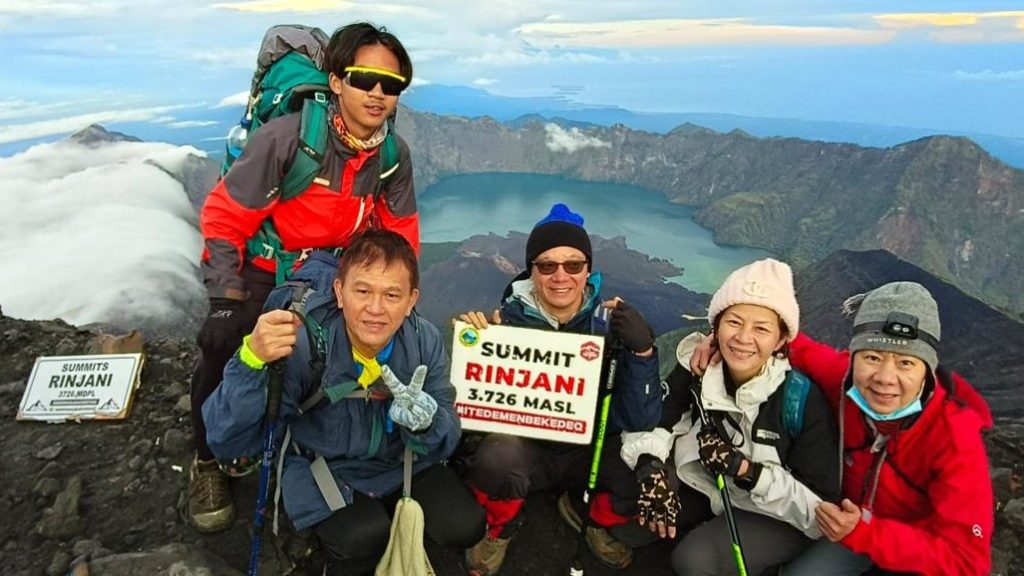
Rising to 3,726 meters (12,224 feet) above sea level, Mount Rinjani is Indonesia’s second-highest volcano. While thousands of adventurers head to Lombok every year to attempt this iconic trek, one question frequently dominates pre-trip planning: How hard is the Rinjani summit climb?
The short answer: It is extremely challenging, physically demanding, and mentally taxing.
While you do not need technical mountaineering skills, ropes, or ice axes to reach the summit, the steep inclines, loose volcanic terrain, altitude, and midnight wake-up call make it a formidable push even for experienced hikers.
In this guide, we break down the exact physical challenges, terrain conditions, and training required so you can adequately prepare for your summit attempt.
The Breakdown: Why the Summit Push Is So Tough
The trek to Mount Rinjani is generally divided into two main phases: reaching the Crater Rim (Plawangan Sembalun) and the final Summit Push. While the trek up to the crater rim is tough, the final stretch from the crater rim to the peak is where the real test begins.
1. The Notorious Volcanic Scree (The 2 Steps Forward, 1 Step Back Effect)
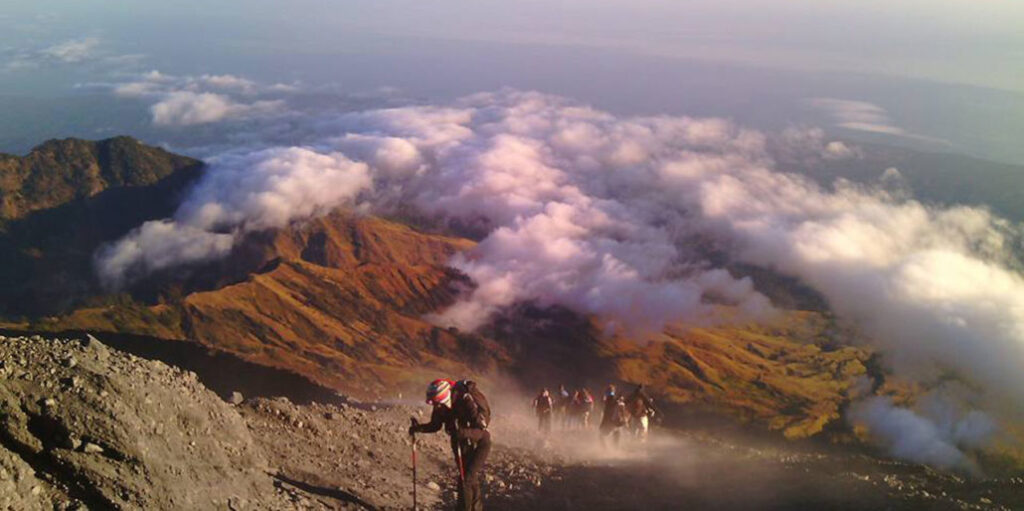
The most grueling aspect of the final summit push is the loose volcanic ash and gravel (scree).
- The Final Ridge: The final section along the narrow crater ridge features deep, loose scree.
- The Sensation: Walking on this terrain feels like climbing a steep sand dune. For every two steps forward, you often slide one step backward, draining your leg power quickly.
2. Steep Elevation Gain in Cold Midnight Conditions
- The Schedule: The summit push typically starts around 2:00 AM from Sembalun Crater Rim (2,639m) to reach the peak (3,726m) by sunrise.
- Elevation & Distance: You gain nearly 1,100 meters in vertical elevation over roughly 3.5 to 4 kilometers.
- Temperature: At 2:00 AM, temperatures near the summit can drop between 2°C to 7°C (35°F – 45°F) with strong, biting winds along open ridges.
3. High Altitude & Thin Air
Although Rinjani’s altitude is below the threshold for severe High Altitude Pulmonary Edema (HAPE), at 3,726 meters, the air is noticeably thinner. Hikers frequently experience short breaths, mild headaches, lightheadedness, and accelerated fatigue as oxygen level decreases.
Difficulty Scale Breakdown by Section
To help you visualize the climb, here is a quick overview of what to expect during the 3.5 to 4.5 hour summit attempt:
| Section | Distance / Terrain | Difficulty Rating | Key Challenge |
| Section 1: The First Hill | Steep dirt path with loose rocks | 7/10 | Quick heart-rate spike right after waking up |
| Section 2: The Middle Ridge | Relatively flat volcanic spine | 5/10 | Cold wind exposure, narrow footing |
| Section 3: The Final Scree Slope | Deep loose volcanic ash & gravel | 10/10 | Extreme leg burn, high slipping risk, thin air |
Can Beginners Climb the Rinjani Summit?
Yes, but with strict conditions. Beginners with a good baseline of cardiovascular fitness, proper gear, and strong mental stamina can successfully stand at the top. However, if you lead a sedentary lifestyle and undertake no pre-trip physical conditioning, the summit push will be exceedingly painful and potentially unsafe.
If you feel the final summit push might be beyond your current endurance, you can still enjoy Mount Rinjani! Many hikers opt for shorter, highly scenic crater rim options that skip the intense final scree climb.
How to Prepare and Increase Your Success Rate
- Focus on Leg Strength & Cardio: Incorporate stair-climbing, lunges, squats, and long-distance running into your fitness routine at least 4 to 6 weeks prior to your trip.
- Use Trekking Poles: Trekking poles are essential on Rinjani. They provide crucial balance on loose scree and take up to 20% of the load off your knees during the descent.
- Pace Yourself: The summit push is a marathon, not a sprint. Maintain a steady, slow rhythmic pace (slow and steady steps) to avoid early burnout.
- Choose the Right Tour Operator: Having patient, experienced guides who monitor your safety, pace, and health during the pitch-black night climb makes a huge difference.
Book a Guided Rinjani Trek
Having professional guidance, high-quality camping equipment, and hearty meals to restore your energy at camp dramatically improves your chances of reaching the summit safely.
Whether you are aiming for the ultimate peak or a less strenuous crater rim adventure, explore the certified trekking packages at alsrinjani.com:
- 2D1N Rinjani Summit Trek: Designed for fit hikers focused purely on conquering the summit from Sembalun.
- 3D2N Full Circuit Trek: A well-paced option covering the Summit, Lake Segara Anak, Hot Springs, and scenic rainforest descent.
- Crater Rim Packages: Ideal for those who prefer breathtaking panoramic views without the steep scree summit climb.
Visit alsrinjani.com to check full itinerary details, gear requirements, and book your expert-guided Rinjani trek today.